

The Marks of a Healthy Crypto Community Part 2
Fast Growth Can Destroy a Crypto Community

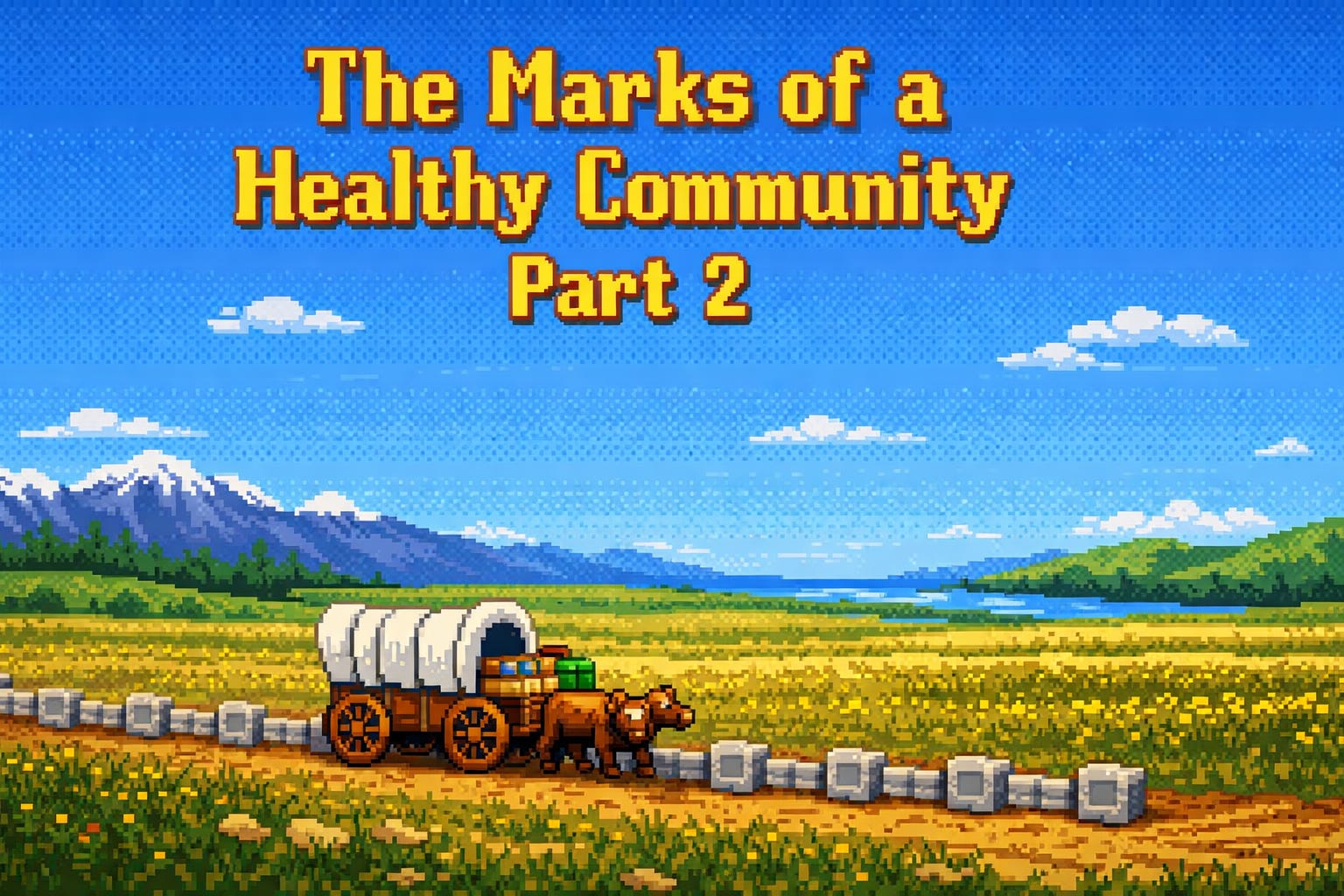
I used to love playing Oregon Trail when I was in elementary school. The graphics were bad and the computer was old, but I loved the game anyway. The decisions were difficult and the hunting mini games were fun.
I remember agonizing over the decision to go steady, strenuous, or grueling. Go too slow and winter could catch you before the next fort. Go too fast and the party grew exhausted and sick. It was a difficult choice for an eight-year old to make.
Fast forward decades later and I am still making that choice, but for crypto communities.
The Growth Problem
Every founder wants the community to grow as fast as possible. More community members means more token holders, more liquidity, more money, and more opportunities. But this comes at a cost. More community members also means:
More airdrop farmers who are there to earn tokens and immediately sell
More confused community members who don’t understand the product
More scammers who show up in chat channels to rob community members
More community members to see early product updates that aren’t truly ready for the general public
An overwhelmed team run ragged by community demands
The voice of the true “believers” gets drowned out
The founders lose control of the narrative
Quick shortcuts become the primary route to take care of emergencies
All of these are caused by too many people joining a community that isn’t ready, with a product that isn’t finished and a team that isn’t prepared for mass adoption.
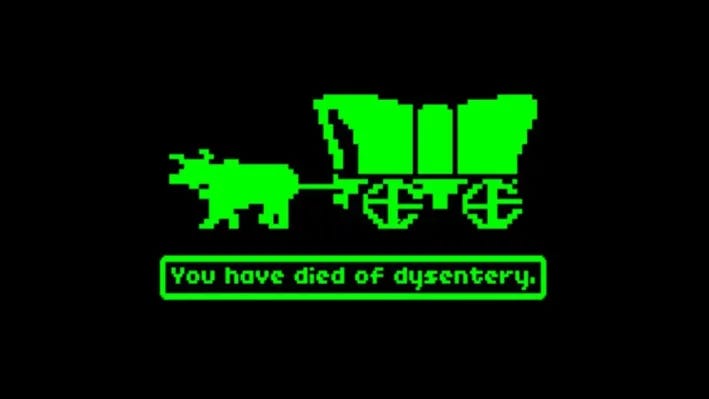
In other words, if you go at a “grueling” pace your party members die of dysentery.
The Advantage of Going Slow
When you go slow you can make certain that the community understands the product, the product works correctly, and the team understands the difficulties new users may face. Smart teams will use slower growth to:
Fix bugs
Make the product user-friendly
Create explanations for common questions
Educate the inner circle of the community so they can easily answer questions themselves
Make certain early members are rewarded and airdrop farmers don’t ruin the token
Teach the community the philosophy of the product so the narrative propagates without the founder having to police it.
This buys time so the team is exposed to all the problems before the world sees them.
Oregon Trail Reality
In a perfect world you could build slow forever. Make a perfect product and predict every possible question before scaling the community. But this isn’t possible. Every team has a budget and money will run out if users don’t come in. And you won’t even know for sure if the product works until you have a large group of people hammer on it.
Smart leaders know when to grow fast and when to go slow. Is the product ready for 10K users? Do we have enough educational content to answer known problems? Do we even know what the problems are? If the answer is no, you go slow. If the answer is yes, then you step on the gas.
But this isn’t just important for founders but also for users. Does the team seem overwhelmed? They probably grew before they were ready. This doesn’t always kill a project but it’s certainly something to consider. If the team never seems to “slow down” and solve community problems you might want to move your oxen to greener pastures. The project is going to embarrass itself.
But if the team never seems to take risks and grow then they have the opposite problem of being too fearful. Every project needs to make it to Oregon before “Crypto Winter” sets in. And decades later I am making the same difficult choices I had when I was eight years old.
Final Word
Know when to speed up and when to slow down.
“He will win who knows when to fight and when not to fight.” — Sun Tzu
Lost on the Crypto Trail?
Crypto Confidence School helps beginners understand wallets, DeFi, and tokenomics so your party survives the journey instead of learning the hard way.
Disclaimer:
The information in this publication is for educational purposes only and does not constitute financial, investment, or legal advice. Always do your own research before making any financial decisions. Cryptocurrency investments carry risk, and past performance is not indicative of future results. I actively invest and trade in the crypto markets, and my personal portfolio and holdings change frequently. Nothing I share should be interpreted as a guarantee of performance or a recommendation to buy or sell any asset.